Most guides about the best places to live in Jacksonville FL work through a list of neighborhood names and stop there. That’s useful if you already know you want Jacksonville and just need to pick a spot. But it doesn’t answer the question most people are actually asking, which is whether Jacksonville is the right fit for their specific situation and where inside this 874-square-mile city they would actually thrive.
This guide works differently. Instead of listing the best places to live in Jacksonville FL by neighborhood name, it starts with who you are as a buyer and matches you to the zone that fits your life, budget, and commute.
Why Jacksonville FL Is Worth Considering in 2026
Size, Beaches, and Cost: What Jacksonville Actually Offers
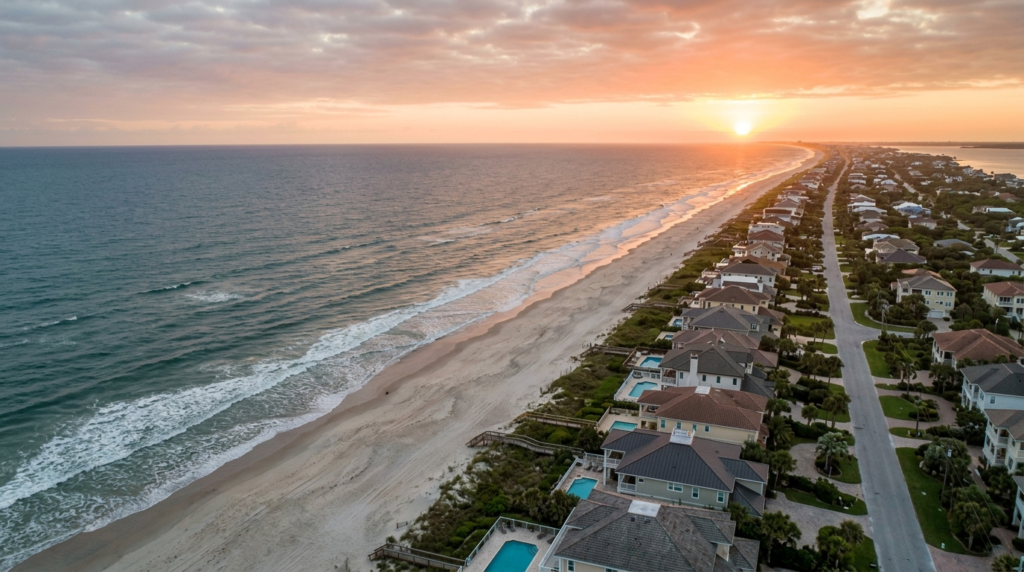
Jacksonville doesn’t get enough credit for how much variety it contains. It’s the largest city by land area in the continental United States at 874 square miles, which sounds like a statistic until you realize it means the city holds beach towns, master-planned suburbs, historic urban neighborhoods, and rural riverfront communities all within one metro boundary.
According to U.S. News, the median household income here is $70,119 and the median home value runs around $309,000 in Duval County, making it one of the more affordable major metro areas on the East Coast. Throw in 22 miles of Atlantic coastline, 1,100 miles of navigable waterways including the St. Johns River, and a growing job base anchored by Mayo Clinic, UF Health, Baptist Health, and a substantial financial services and logistics sector, and Jacksonville offers a quality-of-life-to-cost ratio that genuinely surprises people who only knew it as “that big Florida city that’s not Miami.”
Best Places to Live in Jacksonville FL by Buyer Profile
For Military Families: The NAS Jacksonville and Mayport Corridors
Jacksonville has two major installations, and your assigned base determines almost everything about where you should live. NAS Jacksonville sits on the city’s Westside. Naval Station Mayport sits on the northeast coast near the beaches. Treating them as interchangeable for housing purposes is a mistake that extends your commute by 30 to 45 minutes each way.
For NAS Jacksonville, Orange Park in Clay County is the answer most experienced military families land on. Less than six miles from the gates, with Clay County school district access and a price range that works for nearly every BAH rate. OakLeaf Plantation in the same county covers buyers who need a lower price point. Our military relocation team handles PCS moves to both installations routinely, which means we’ve already solved the school zone, VA timeline, and sight-unseen purchase questions you’re about to have.
For First-Time Buyers: Mandarin, OakLeaf Plantation, Southside
First-time buyers in Jacksonville tend to find their sweet spot where price, school quality, and loan acceptance overlap, and that overlap is wider here than in most Florida metros.
Mandarin sits inside Duval County on the south side of Jacksonville, offering A-rated schools and established neighborhoods with median prices in the $300,000 to $375,000 range. It has the feel of a suburb even though it’s technically inside city limits, with mature trees, good walkability to shops, and strong community character.
For Luxury Buyers: Ponte Vedra Beach, Nocatee, Amelia Island
Jacksonville’s luxury market doesn’t concentrate in one place, and the three main zones feel genuinely different from each other.
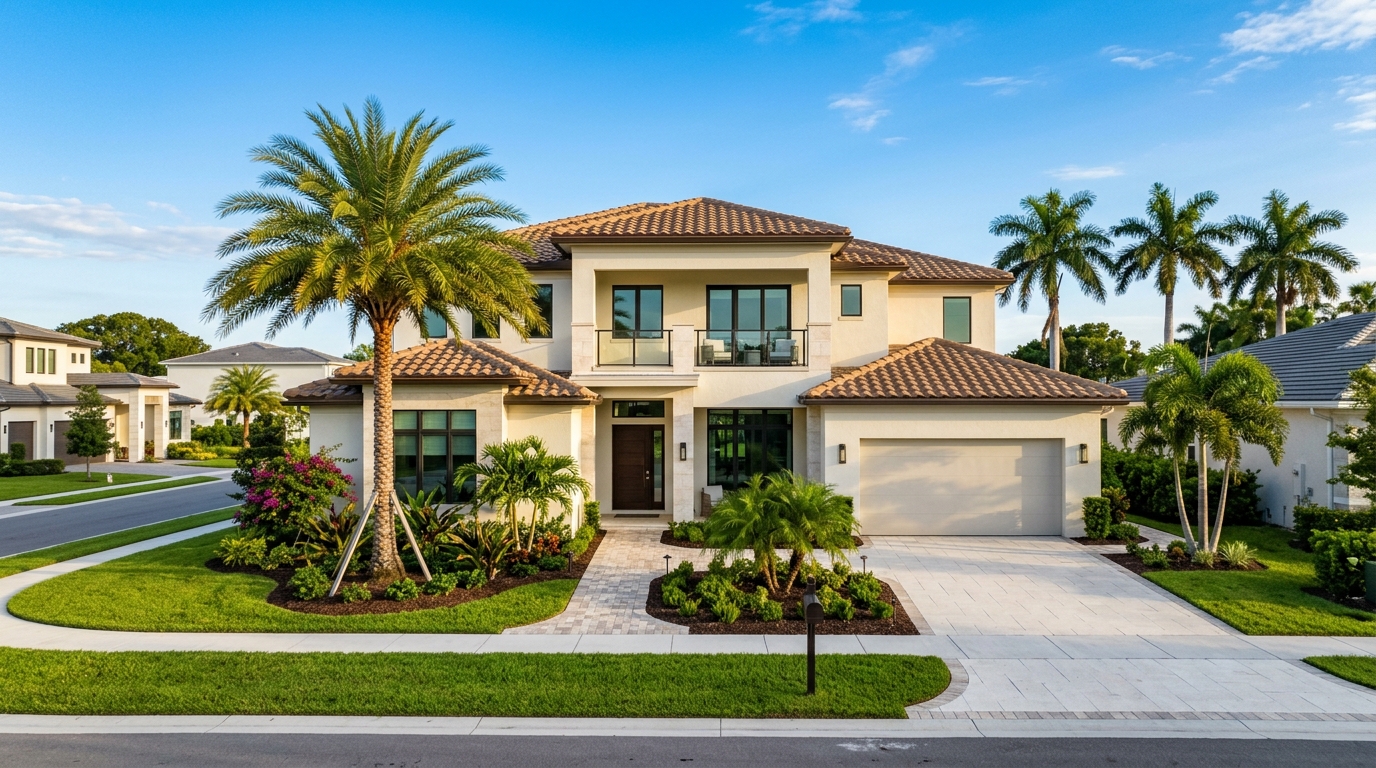
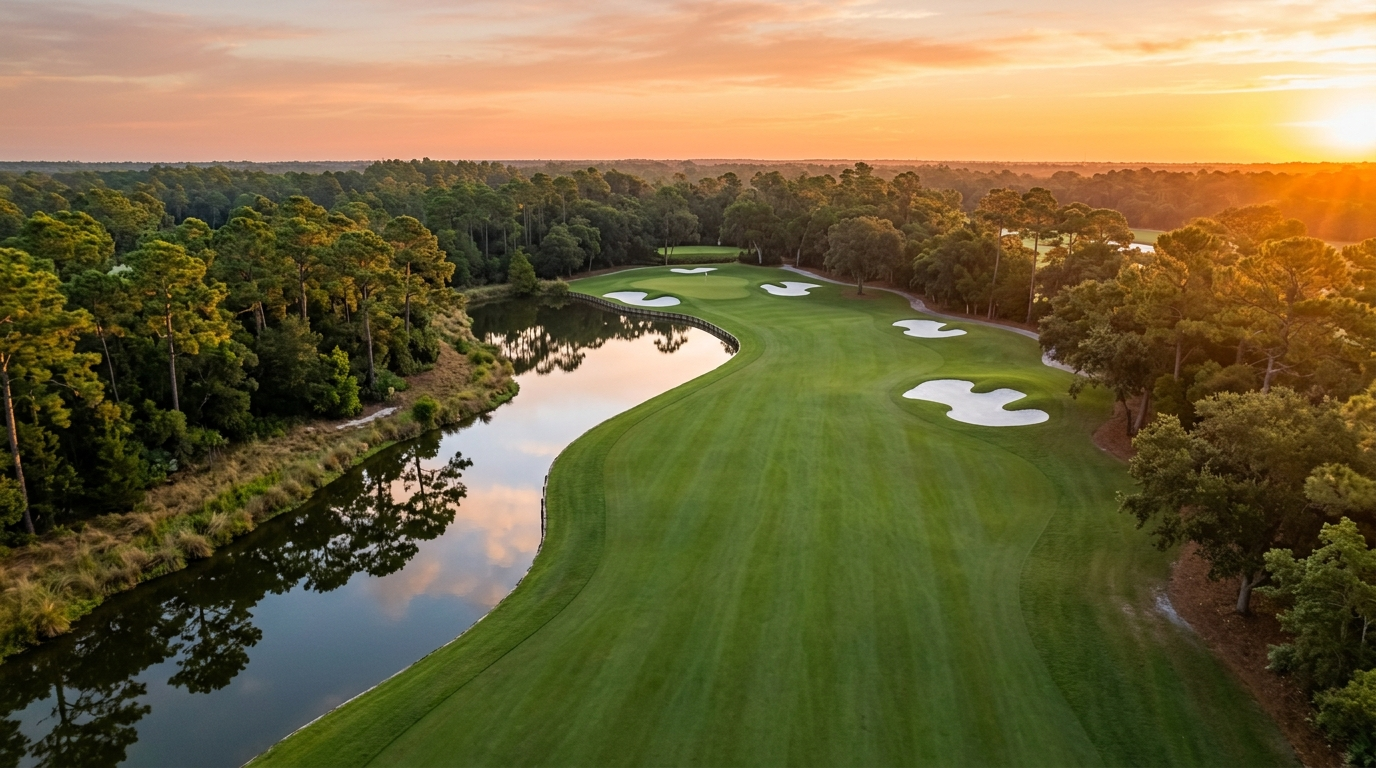
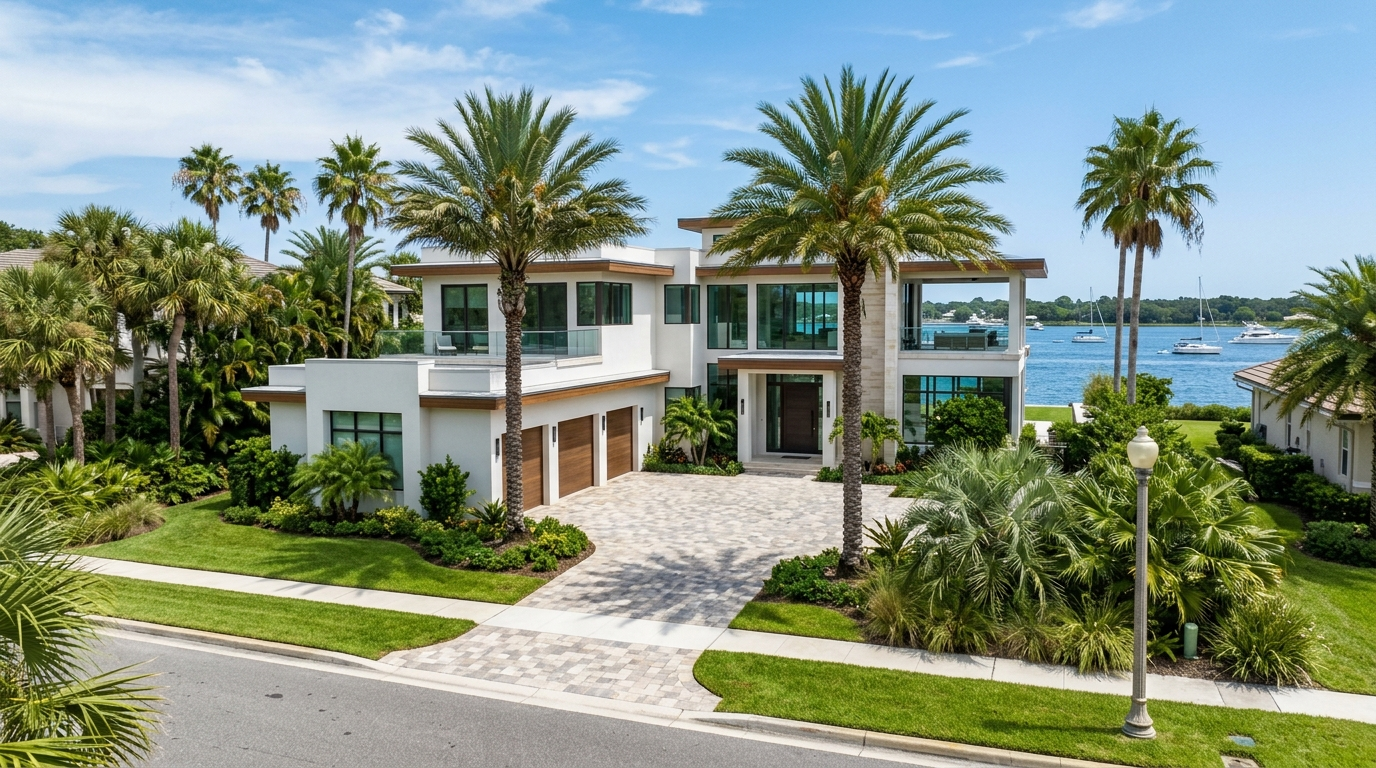
Ponte Vedra Beach anchors the coastal premium tier. Oceanfront estates and golf course properties at TPC Sawgrass regularly list above $1 million, and the buyer pool includes PGA Tour professionals, C-suite executives, and coastal lifestyle buyers from Miami and New York who’ve discovered they can get more here for significantly less money.
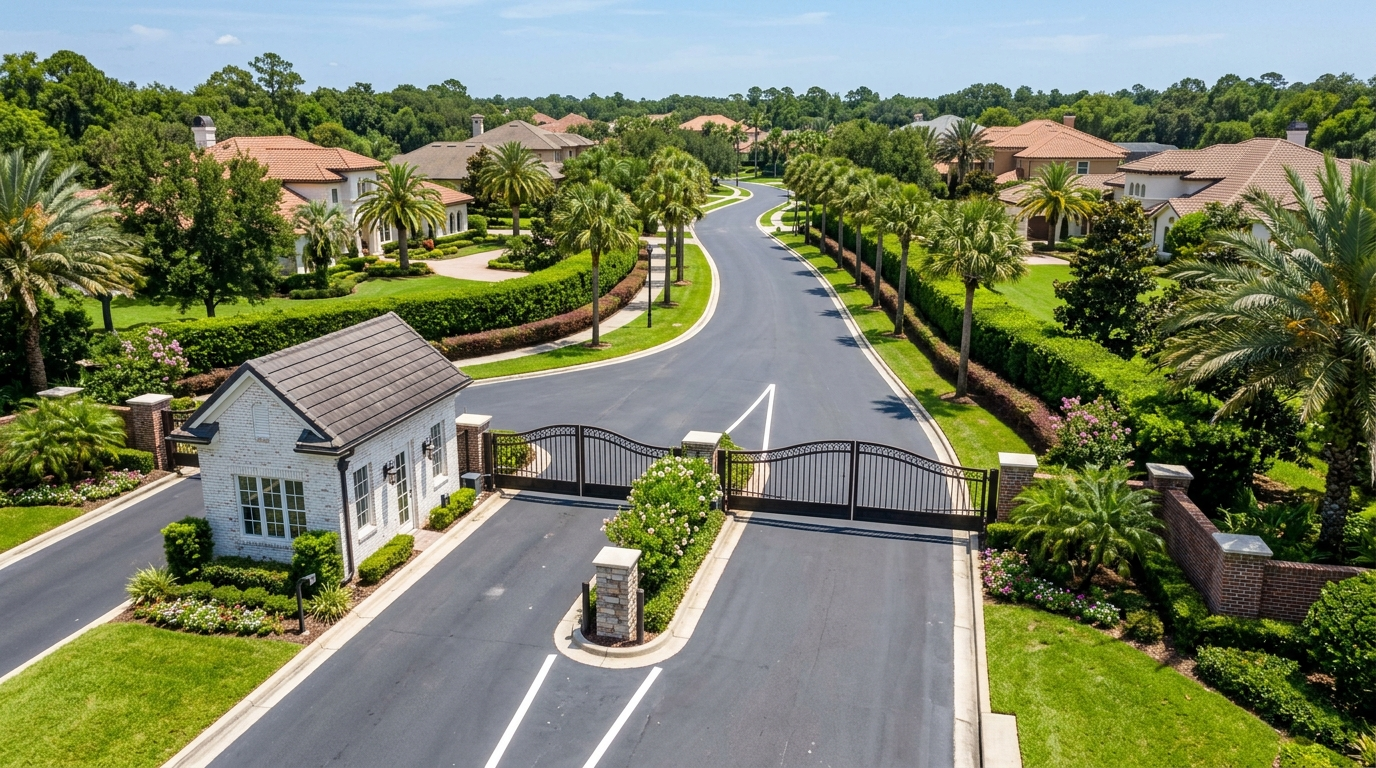
Nocatee in St. Johns County offers something different: newer luxury construction inside a world-class master-planned community, with upper-tier neighborhoods running $700,000 to $1.5 million and the number one school district in Florida as the baseline for every home.
For Remote Workers: San Marco, Riverside, Five Points
Remote workers consistently underestimate Jacksonville’s urban neighborhoods because the city doesn’t have the national profile of Austin or Nashville. That’s their advantage.
San Marco, modeled after the Venetian piazza of the same name, runs tree-lined streets past independent restaurants, boutique shops, and riverfront parks with median home prices in the $500,000 to $700,000 range. Riverside’s Five Points district delivers a more eclectic version of the same energy: coffee shops, independent bookstores, creative professionals, and enough walkability to go car-free for most daily errands. Prices here are more variable, from $300,000 for smaller historic bungalows to $600,000 for fully restored character homes.
Neither neighborhood feels like the Jacksonville that ends up in generic Florida listicles, and that’s exactly why remote workers who’ve actually spent time here tend to stay.
For Retirees: Fleming Island, Atlantic Beach, Fernandina Beach
Retirees looking at the Jacksonville area split fairly cleanly between three priorities: active lifestyle communities near water, walkable coastal living, or a quieter pace with genuine character.
Fleming Island in Clay County is the active lifestyle answer, with golf at Eagle Harbor, St. Johns River waterfront access, and a suburban feel that supports both daily activity and easy access to Jacksonville’s medical corridor. Medians run $400,000 to $475,000. Atlantic Beach trades the river for the ocean and delivers walkable coastal living without the tourist intensity of Miami or the seasonal chaos of the Space Coast. Fernandina Beach on Amelia Island is the most resort-like retirement environment in the region, and Nassau County’s lowest-in-NE-Florida property tax rate meaningfully reduces the carrying cost of living there.
Best Places to Live in Jacksonville FL by Price Point
Under $300,000: Entry-Level Still Works Here
One of the things that still surprises buyers coming from other Florida markets is how much Jacksonville delivers under $300,000. OakLeaf Plantation, select Orange Park neighborhoods, and parts of the Southside all offer legitimate single-family options in this range. Yulee in Nassau County and new construction phases in Wildlight have also been producing new or near-new builds under $300,000, which is genuinely rare anywhere in Florida in 2026.
$300,000 to $500,000: The Widest Range of Options
This is the range where Jacksonville has the most market depth, and where the county question matters most. Mandarin, Southside, most of Fleming Island, established Nocatee neighborhoods, and the lower end of Ponte Vedra Beach all land here. It’s the most competitive segment in 2026, and a buyer without good zone-level guidance can spend months looking at homes that feel similar on paper but deliver very different school access and long-term appreciation depending on which county line they sit inside.
What No List Tells You About Living in Jacksonville FL
The County Line Is the Most Important Decision You’ll Make
The best places to live in Jacksonville FL are not all inside Jacksonville city limits, and getting clear on that distinction before you start your search saves a lot of time. Clay County, St. Johns County, and Nassau County each bring school district rankings, tax rates, and lifestyle characteristics that Duval County simply cannot replicate at the same price point. Most buyers who end up in the right place started the conversation at the county level, not the neighborhood level.
Flood Zone and Insurance: The Honest Trade-Off
Coastal and waterfront properties carry flood insurance requirements that add $2,000 to $8,000 annually to your carrying cost depending on location and coverage. Amelia Island, the beaches communities, and waterfront neighborhoods along the St. Johns River are the most likely to trigger this cost. Getting an actual insurance quote before making an offer is something we treat as a standard step in every buyer consultation, because the carrying cost difference can be large enough to change what you can realistically afford.
Working With Living Luxury Florida to Find Your Place
We Start With the County, Not the Neighborhood
Our real estate services cover Duval, Clay, St. Johns, and Nassau counties. The first question in every buyer consultation isn’t “which neighborhood do you like?” It’s “which county makes sense for your priorities?” That single reframe tends to cut the search timeline by weeks.
Living Luxury Florida is affiliated with ONE Sotheby’s International Realty, which means every search has full MLS access alongside off-market and pre-market inventory that never reaches public listings. For buyers relocating from other states or arriving on military orders, that access matters in a market where the best places to live in Jacksonville FL move quickly when priced correctly.