
Florida is one of the few states with no income tax, a headline most buyers know before they arrive. What gets far less attention is how the property tax rate in Florida actually works at the county level and how much it varies depending on exactly where you buy. Two identically priced homes can carry annual tax bills that differ by thousands of dollars depending on which county line they sit inside. This guide builds the county-by-county comparison no other source publishes for Northeast Florida buyers, using 2025 millage data and the homestead exemption math that changes what you actually pay.
How the Property Tax Rate in Florida Works
What a Millage Rate Is and How It Gets Applied
The property tax rate in Florida is expressed as a millage rate, the number of tax dollars applied per $1,000 of assessed value. One mill equals $1 per $1,000, so a home with an assessed value of $400,000 in a jurisdiction with a combined millage rate of 18 mills pays $7,200 in annual property taxes before any exemptions.
The combined rate you pay includes levies from multiple taxing authorities: county general fund, school district, water management district, fire coverage, and any special taxing districts that apply to your specific parcel. The Florida Department of Revenue publishes certified millage rates for every taxing authority in the state each year, making this data verifiable for any address before purchase.
In Northeast Florida, combined millage rates in 2025 ranged from approximately 10 mills in Nassau County to approximately 19 mills in parts of Duval County. That 9-mill spread at a $400,000 assessed value represents $3,600 per year in annual tax difference before exemptions. Over ten years, that’s $36,000 in tax cost that has nothing to do with the mortgage.
Florida vs the National Average
Florida’s average effective property tax rate in Florida sits at approximately 0.80 percent of assessed value, meaningfully below the national average of 1.07 percent according to the Tax Foundation. That comparison understates the advantage for homesteaded primary residences in Florida because the homestead exemption and Save Our Homes cap compound over time in ways that a simple effective rate calculation doesn’t capture. A buyer who files homestead in year one and holds for ten years in an appreciating market ends up paying a significantly lower effective rate than the statewide average suggests.
Property Tax Rate in Florida by Northeast Florida County
Duval County Property Tax Rate
Duval County carries the highest combined millage rate among the four Northeast Florida counties, typically running 17 to 19 mills combined depending on the specific location and applicable special taxing districts. For a $400,000 home at full market value, the annual tax bill before homestead exemption runs approximately $6,800 to $7,600. After applying the standard homestead exemption of $50,722, the taxable value drops to roughly $349,278, bringing the bill down to approximately $5,900 to $6,600.
Duval’s higher millage rate reflects the cost of funding the largest city by land area in the continental United States. Jacksonville spans 874 square miles, and roads, fire coverage, and public services cost proportionally more than in smaller county governments. Buyers choosing Duval County real estate get urban access, employment proximity, and the widest price range in the region alongside the higher millage rate.
St. Johns County Property Tax Rate
St. Johns County’s combined millage rate runs approximately 13 to 15 mills, lower than Duval by a meaningful margin. For a $400,000 home at full assessed value, the pre-exemption tax bill runs approximately $5,200 to $6,000. After the $50,722 homestead exemption, the taxable value falls to $349,278, yielding an annual tax of approximately $4,500 to $5,200.
The lower property tax rate in Florida’s St. Johns County partly offsets the county’s higher home prices. A buyer who spends $100,000 more on a St. Johns County home to access the number one school district in Florida is also paying a lower tax rate per dollar of assessed value than they would in Duval County. Buyers exploring St. Johns County real estate should factor both the price premium and the lower millage rate into their full monthly payment calculation.
Clay County Property Tax Rate
Clay County’s combined millage rate typically falls between 15 and 17 mills, positioning it between Duval and St. Johns on the cost scale. For a $400,000 home at full assessed value, the pre-exemption bill runs approximately $6,000 to $6,800. After the homestead exemption, taxable value of $349,278 yields an annual tax of approximately $5,200 to $5,900.
The property tax rate in Florida’s Clay County reflects a smaller government serving a rapidly growing population. For buyers weighing Clay County real estate, the combination of a top-five school district and a mid-range millage rate creates a compelling value profile. Clay County delivers near-equivalent school quality to St. Johns County at a median home price roughly $148,000 lower, and its millage rate sits between the Duval and St. Johns extremes.
Nassau County Property Tax Rate: Lowest in NE Florida
Nassau County carries the lowest effective property tax rate in Northeast Florida, with combined millage rates running approximately 9 to 11 mills depending on specific location and any applicable municipal levies. For a $400,000 home at full assessed value, the pre-exemption bill runs approximately $3,600 to $4,400. After the $50,722 homestead exemption, the taxable value of $349,278 yields an annual tax of approximately $3,100 to $3,800.
That’s a difference of $2,800 to $3,500 per year compared to the same home in Duval County, simply from crossing a county line. Over ten years, that’s $28,000 to $35,000 in tax savings before accounting for the compounding Save Our Homes benefit. The property tax rate in Florida is at its most favorable in Nassau County, and buyers considering Nassau County real estate are getting that advantage alongside Florida’s number one school district and Amelia Island’s barrier island lifestyle.
How the Homestead Exemption Changes What You Actually Pay
The $50,722 Reduction and What It Saves
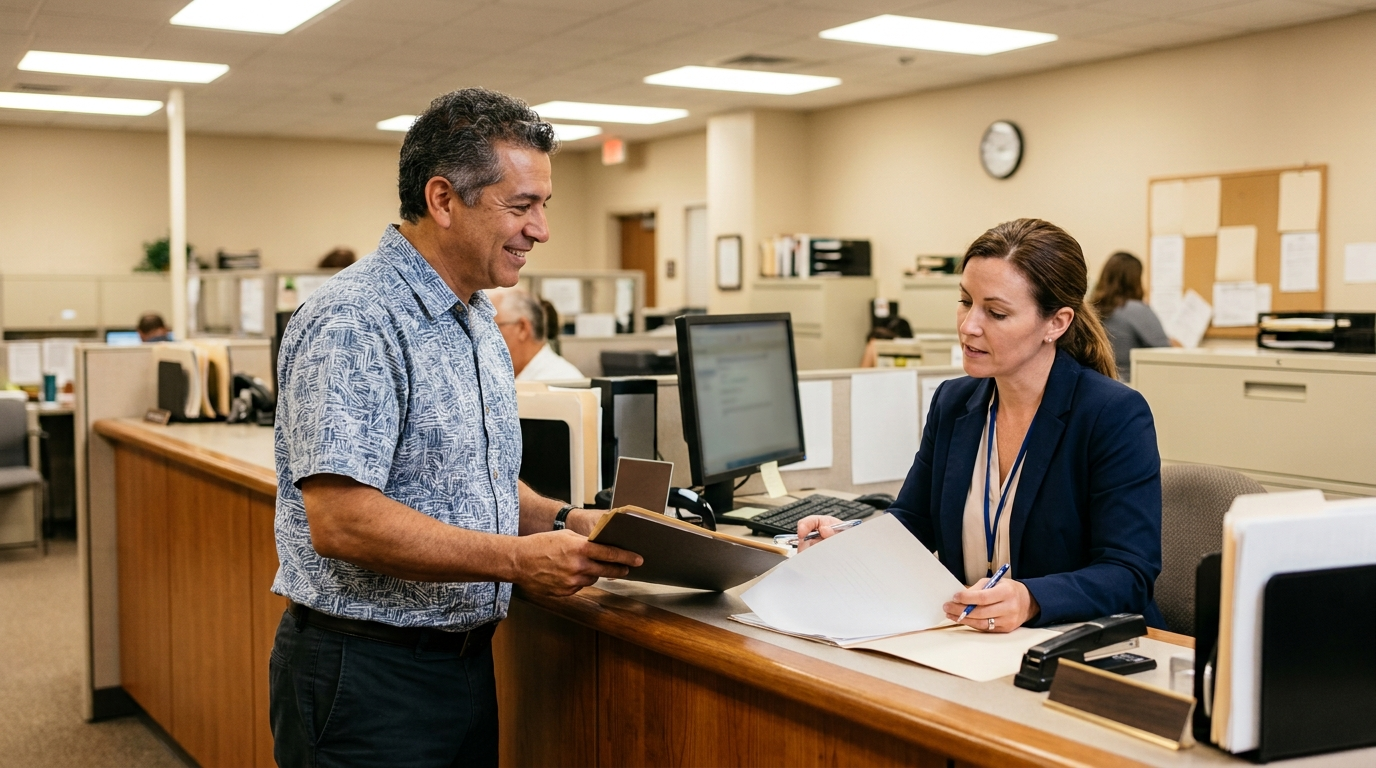
Florida’s homestead exemption reduces the taxable assessed value of a primary residence by up to $50,722 in 2026. The first $25,000 exemption applies to all property taxes including school taxes. The second $25,000 exemption applies to assessed values between $50,000 and $75,000 but excludes school taxes.
The Save Our Homes 3% Cap Over Time
Filing your homestead exemption activates the Save Our Homes cap, which limits how much your property’s assessed value can increase each year to 3 percent or the Consumer Price Index change, whichever is lower. In a market that has appreciated 5 to 8 percent annually across parts of Northeast Florida, this cap creates a growing gap between market value and assessed value.
The Side-by-Side Calculation: Same Home, Four Counties
Here is what a $400,000 primary residence costs in annual property taxes across the four Northeast Florida counties after the homestead exemption, using 2025 millage data:
Duval County: taxable value $349,278, combined rate approximately 18 mills, annual tax approximately $6,287. Monthly tax cost: $524.
St. Johns County: taxable value $349,278, combined rate approximately 14 mills, annual tax approximately $4,890. Monthly tax cost: $407.
Clay County: taxable value $349,278, combined rate approximately 16 mills, annual tax approximately $5,588. Monthly tax cost: $466.
Nassau County: taxable value $349,278, combined rate approximately 10 mills, annual tax approximately $3,493. Monthly tax cost: $291.
What This Means for Your Buying Decision
The property tax rate in Florida is not one number you can apply to any purchase. It’s a county-by-county decision that interacts with your price point, your school district preference, your commute requirements, and how long you plan to hold the property. Nassau County delivers the lowest rate but carries the highest coastal home prices. Clay County delivers the best school quality per tax dollar at the mid-range price tier. St. Johns County carries a premium price and a mid-range rate together. Duval County has the highest rate and the widest range of options.
The right answer depends on which combination of rate, price, location, and school district fits your actual situation. Understanding how the property tax rate in Florida plays out across specific addresses, not just counties, is work we do with every buyer before any offer is submitted.
Working With Living Luxury Florida on the Tax Picture
We Run the Full Tax Calculation Before Any Offer
Our real estate services include a full property tax analysis as a standard part of every buyer consultation across all four Northeast Florida counties. We pull the actual millage rates for the specific address you’re considering, apply the homestead exemption, and build the ten-year Save Our Homes projection so you see the real carrying cost trajectory before you decide. Buyers comparing properties across county lines especially benefit from seeing this calculation side-by-side rather than discovering the difference after closing. Contact us at Living Luxury Florida to start the conversation.