If you bought a home in Jacksonville, Ponte Vedra Beach, or anywhere else in Northeast Florida recently and nobody walked you through the florida homestead exemption at closing, you might have already left money on the table. Or you’re about to. Either way, this guide exists to fix that. The florida homestead exemption is one of the most powerful ongoing financial benefits available to Florida homeowners, and one of the most misunderstood. The deadline is firm, the January 1 rule catches new buyers off guard annually, and the long-term compounding through Save Our Homes turns modest annual savings into a five-figure benefit over time.

What the Florida Homestead Exemption Actually Is

What the Florida Homestead Exemption

The Two-Tier Exemption Explained Simply

The homestead exemption florida homeowners can claim works in two layers. First, the initial $25,000 of your home’s assessed value is fully exempt from all property taxes, including school board taxes. Second, a matching $25,000 exemption applies to assessed value between $50,000 and $75,000, but this layer excludes school board taxes. In practice, a home assessed at $300,000 in Duval County gets up to $50,722 in taxable value reduction. At a combined millage rate near 18 mills, annual savings land between $750 and $1,100. That repeats every year automatically once you’ve filed, and it’s the foundation of something significantly more valuable long-term.

What It Reduces, and What It Doesn’t Touch

The florida property tax exemption lowers your taxable assessed value, not your home’s market value. It doesn’t apply to investment properties, vacation homes, or rentals. Primary residence only.

Who Qualifies for the Florida Homestead Exemption

The January 1 Rule That Catches New Buyers Off Guard

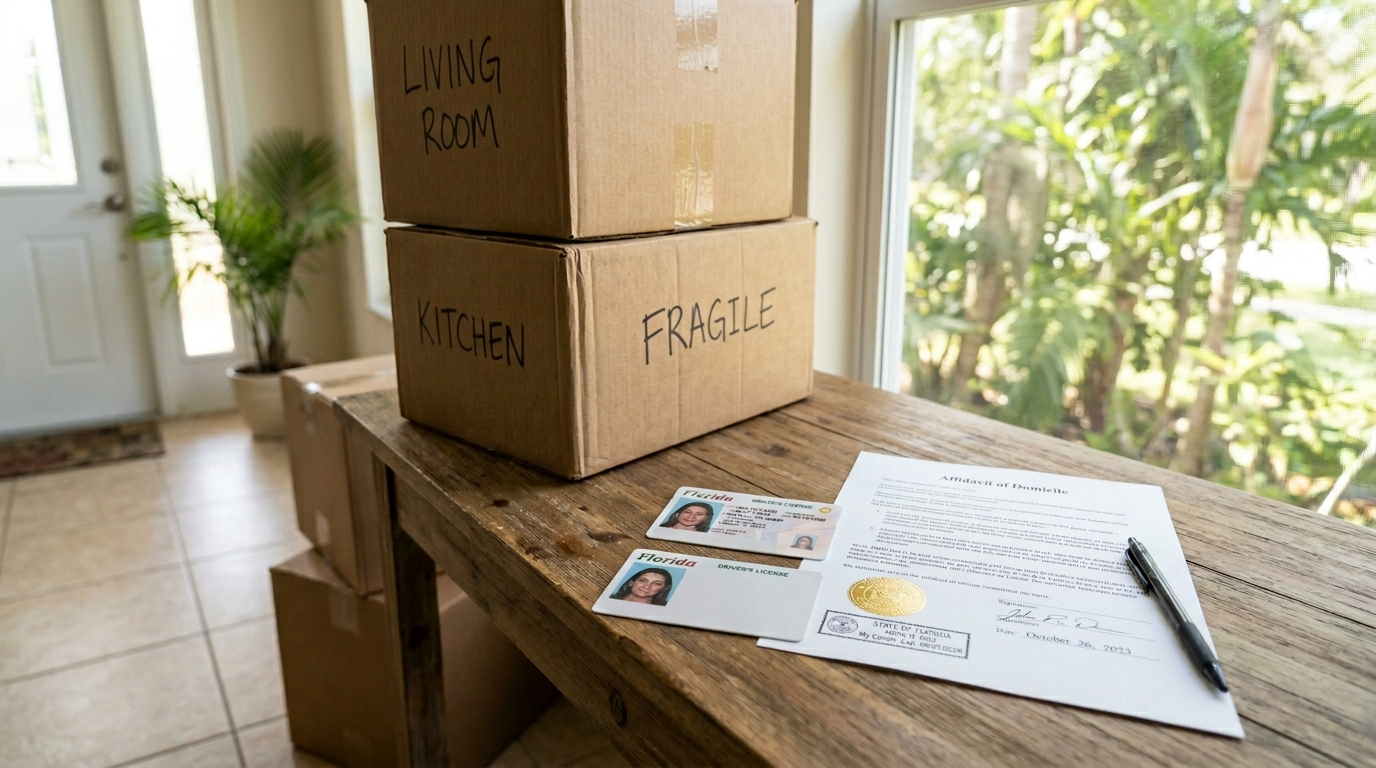
Here’s the rule that trips up more buyers in Northeast Florida than almost anything else. To claim the florida homestead exemption for any given tax year, you must own the property and occupy it as your primary residence as of January 1 of that year. Not by March 1 when the application is due. January 1. A buyer who closes December 27 and moves in before the new year can file for the exemption on that property’s next tax year immediately. A buyer who closes January 3 can’t file for that year no matter how quickly they move in. They wait a full twelve months. This matters most for military families moving to Jacksonville on PCS orders. Orders come through late. Closings push into spring. A family that’s genuinely settled into their new home near NAS Jacksonville still misses the year’s savings because of where January 1 fell. If you’re planning a military relocation to Jacksonville, put the closing date timeline question to your lender early. It’s completely fixable if you address it before you lock a date, and nearly impossible to fix after.

How to Apply in Northeast Florida

Duval County: Online, Mail, or In Person

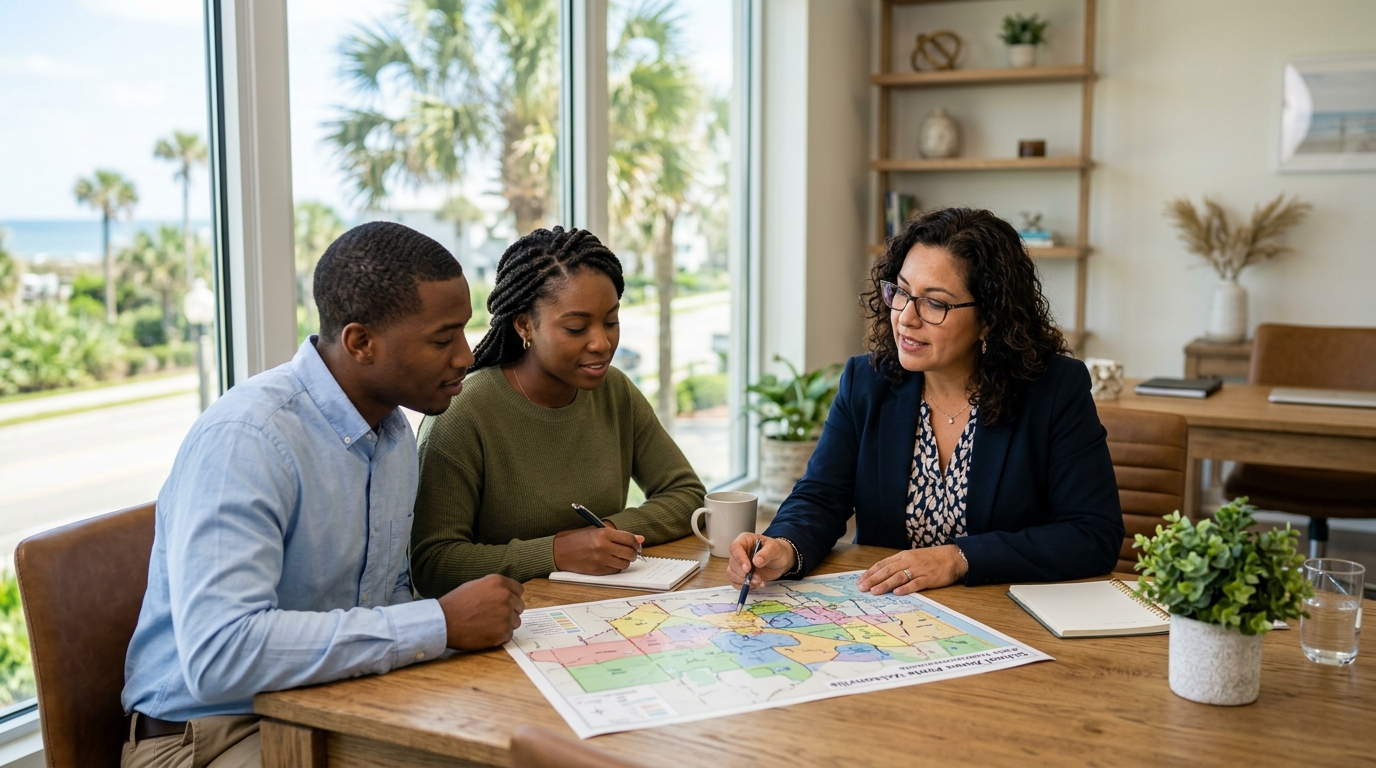
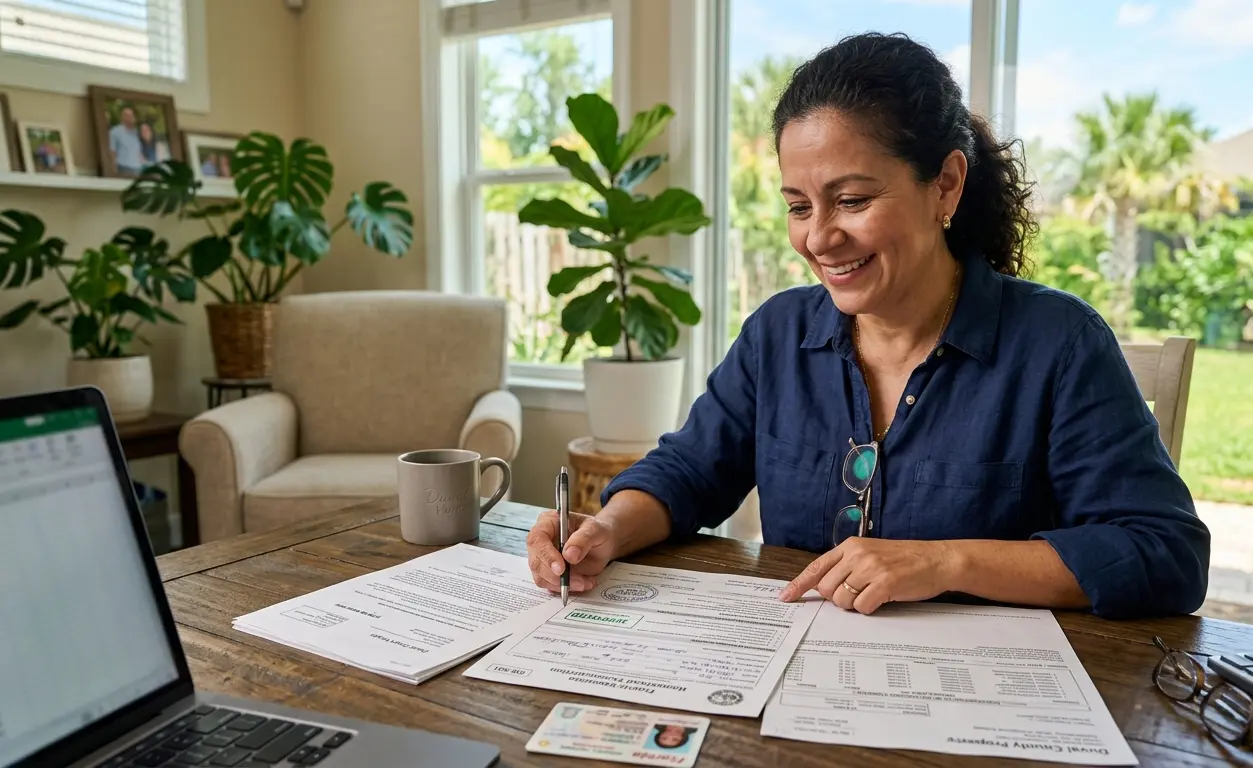
The application process in Duval County is simpler than most people expect. File the DR-501 form online at the Duval County Property Appraiser’s website, by mail to 231 E. Forsyth Street, Suite 260, Jacksonville, FL 32202, or in person at the same address. You’ll receive a confirmation receipt by mail within 45 days. The Florida Department of Revenue at floridarevenue.com also provides official guidance on the exemption requirements statewide.

St. Johns County and Clay County Applications

St. Johns County and Clay County both offer online filing. Nocatee, Ponte Vedra Beach, and SilverLeaf buyers file with St. Johns County. Orange Park, Fleming Island, and OakLeaf Plantation buyers file with Clay County. File with the wrong office and you start over.

The Florida Homestead Exemption Deadline and What Happens If You Miss It

Late Filing: The September Back Door

The florida homestead exemption deadline is March 1, firm. But missing it doesn’t mean losing an entire year automatically. Florida law provides a late filing window running through approximately the 25th day after Notices of Proposed Property Taxes go out each summer, which typically lands in early September. Late filers must appear in person at the Property Appraiser’s Office with a written explanation of why they missed March 1. The office has discretion on acceptance. Don’t count on it, but it’s there if you need it.

What Missing the Deadline Actually Costs

For a Duval County home assessed at $325,000, missing the deadline for one year costs between $750 and $1,100 in property taxes you didn’t have to pay. Over five years, that’s $3,750 to $5,500 in lost savings. Over ten years, the number grows significantly because you’ve also delayed the Save Our Homes cap activation the whole time.

Save Our Homes: The Long-Term Compounding Benefit

How the 3% Cap Works Over Time

Filing homestead does more than save you money in year one. It activates the save our homes florida cap, which limits assessed value increases to 3% or the prior year’s Consumer Price Index, whichever is lower. In a market where St. Johns County appreciation has run 2.7% annually, your taxable assessment grows slower than your home’s market value.

Real Numbers Over Ten Years

Say you buy a $400,000 home, file homestead in year one, and the market appreciates 4% annually. After ten years, market value reaches $592,000. Without the cap, your assessed value matches it. With the 3% Save Our Homes cap, your assessed value reaches only $537,000. That $55,000 difference saves roughly $990 per year in year ten alone, on top of base exemption savings every year before it.

Portability: What Happens When You Move to a New Florida Home

How to Transfer Your SOH Benefit

When you sell your Florida homestead and buy another in Florida, the homestead exemption portability florida provision lets you transfer up to $500,000 of built-up SOH savings to a new primary residence. Apply at the same time as your new homestead filing, within three years of selling the previous home.

Special Situations That Affect the Exemption

Military Buyers and the January 1 Occupancy Rule

The duval county homestead exemption, like all Florida county exemptions, applies the same January 1 rule regardless of how urgent your move was. Military buyers on PCS orders who close mid-year frequently discover too late that they won’t qualify for the current tax year. When we work with families on military relocation to Jacksonville, the homestead timeline is one of the first practical questions we address with the lender, specifically because closing date adjustments are possible early in the process and impossible afterward. Buying a home in Jacksonville FL while handling PCS orders requires this kind of detail-level awareness, and most buyers don’t get it until it’s already cost them.

How Living Luxury Florida Handles Homestead at Closing

We Build the Homestead Timeline Into Every Transaction

Every buyer who closes with us gets a post-closing checklist that treats homestead filing as a specific action item with a deadline and a 45-day confirmation step. The form number, the address, and a follow-up. For buyers relocating from out of state or arriving on military orders, we raise the January 1 question during early offer and lender conversations while there’s still time to choose a closing date that positions you to file. This is what using the right team for the florida homestead exemption process looks like: the details that change your financial outcome get addressed before they become problems.

Frequently Asked Questions

What is the Florida homestead exemption?

The florida homestead exemption is a constitutional benefit that reduces the taxable assessed value of your Florida primary residence by up to $50,722, saving most homeowners between $500 and $2,000 or more per year in property taxes. It also activates the Save Our Homes cap, limiting assessed value growth to 3% per year.

Annual savings range from $500 to $2,000 or more depending on your home’s assessed value and your county’s millage rate. A Duval County home assessed at $325,000 typically saves $750 to $1,100 per year. Over ten years with the Save Our Homes cap in effect, total savings regularly exceed $10,000 to $15,000.

The standard florida homestead exemption deadline is March 1 each year. You must own and occupy the property as your primary residence as of January 1 of the tax year you’re applying for. Late filing through approximately early September is possible in most counties but requires in-person application and approval.

Yes, but the January 1 occupancy rule creates a timing challenge for PCS buyers who close after the new year. A military family that closes January 5 cannot file for that tax year even if they move in immediately. Coordinating closing before January 1 when possible is the solution, which is why we address it early in the transaction.

Save our homes florida is a constitutional protection that limits how much a homesteaded property’s assessed value can increase each year to 3% or the Consumer Price Index, whichever is lower. Over time, this creates a growing gap between your assessed value and market value, which compounds into significant long-term property tax savings.

Still Have Questions?

I’m here to help! Reach out for a free, no-obligation consultation.